


TL;DR
- An AI agency turns AI tools into real outcomes: more revenue, lower costs, better customer experience.
- The real difference is in the model: clear use cases, clean workflows, and pricing that follows value.
- superu is the sharp version of an AI agency for calls, replacing missed calls and long wait times with reliable voice agents that scale.
What Is An AI Agency?
An AI agency helps businesses use ai to solve real problems, without forcing them to build an in house AI team.
They do not just “add AI” on top of what you already do. They:
- Understand your workflows
- Find the high impact use cases
- Pick and connect the right tools
- Measure and improve results over time
At superu AI, that usually means voice agents and call automation. For other AI agencies, it might mean ad optimisation, content, or back office automation.
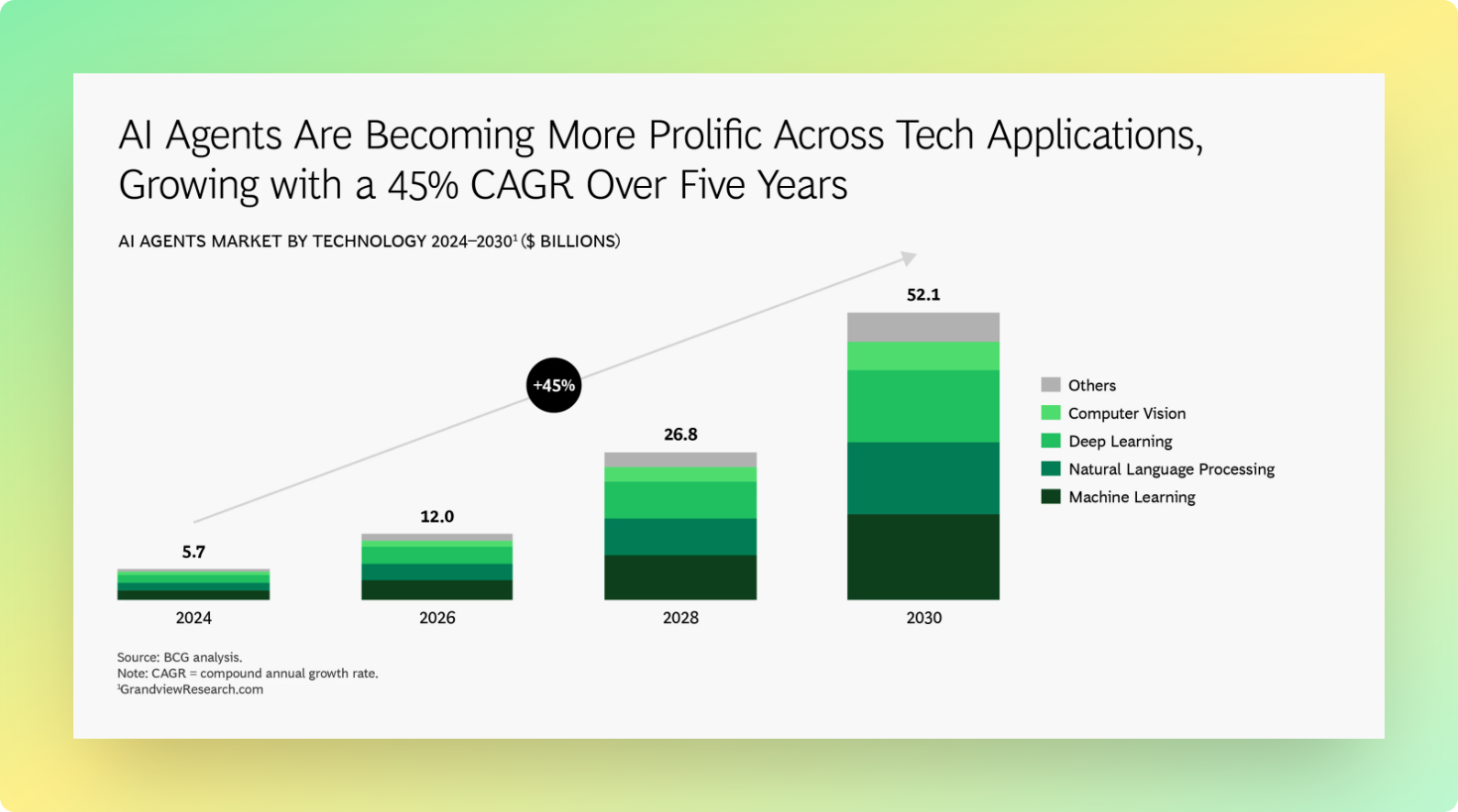
Why Are AI Agencies Growing So Fast?
This is not hype only. There are a few hard reasons.
That tells you two things:
- Businesses are already using AI in real workflows.
- They see enough value to keep spending on it.
At the same time:
- Talent for AI and automation is expensive.
- Most teams do not have time to test 20 tools and stitch them together.
- Leaders want results in weeks, not in 18 month “digital transformation” cycles.
So AI agencies step in as a bridge between the tools and the outcome.
superu AI, for example, exists because many businesses know they lose money on missed calls, slow response and overworked support teams, but do not want a full internal voice AI team. We bring the AI, infra and call expertise. They bring the business context.
Types Of AI Agencies And What They Actually Do
Here is where things get clearer. “AI agency” is an umbrella term.
1. AI marketing agencies
- Use AI to improve campaigns, targeting and content.
- Work on media buying, creative testing, personalisation, and analytics.
- Example: using machine learning to decide which ad to show which segment, in real time.
2. AI automation agencies
- Automate repetitive tasks like ticket routing, lead scoring, data entry.
- Connect CRMs, support tools, calendars, billing and internal systems.
- Aim: give humans fewer boring tasks and more time for deep work.
3. AI product / development agencies
- Build custom AI products and internal tools.
- Examples: AI copilots for sales teams, internal search across docs, custom recommendation engines.
- Usually have strong engineering and MLOps skills.
4. Niche or vertical AI agencies
- Focus on one industry: SaaS, real estate, healthcare, ecommerce, etc.
- Know the typical workflows, KPIs and data sources in that space.
- Can move faster because they reuse patterns and playbooks.
superu AI sits in this last category: a focused AI agency for voice and calls across industries like SaaS, real estate, retail, healthcare and services. The core problem is the same: every missed call costs you money.
What Services Does An AI Agency Offer?
Let’s translate that into plain English.
1. Strategy and discovery
This is the “please do not start with a random chatbot” phase.
A good AI agency will:
- Audit your current tools, data and workflows.
- Map where time, money and customers leak out.
- Prioritise a few high impact use cases.
- Set clear success metrics: less time, more leads, fewer missed calls, higher CSAT, etc.
At superu AI, this often looks like:
- How many calls do you miss every day.
- How long do customers wait on hold.
- What are your most common questions.
- Where do agents repeat the same answers.
2. Build and implementation
Once you agree on the use cases, the AI agency builds.
This may include:
- Chatbots or voice agents for support, sales or bookings.
- Workflow automation: routing, notifications, follow ups, logging.
- Integrations with CRM, helpdesk, phone systems, billing, calendars.
- Dashboards: transcripts, analytics, QA and reporting.
superu AI, for example, gives you:
- A dashboard to design agents and flows.
- Telephony integration so calls actually run in production.
- Analytics so you see why calls went well or failed.
3. Optimisation and ongoing support
AI does not work like a static website. It improves as you:
- Tune prompts and flows based on real calls.
- Add training data for edge cases.
- Update logic when your pricing, product or policies change.
This is where long term value sits. A good AI agency does not vanish after launch. They:
- Review performance regularly.
- Suggest new use cases once the first one is stable.
- Guard against model drift and bad customer experiences.
How Do AI Agency Business Models And Pricing Work?
Let’s simplify.
Common ways AI agencies make money
1. Consulting and workshops
- Paid strategy, audits, training sessions.
- Short, high value, often used to scope bigger work.
2. Fixed fee projects
- Clear deliverables with a start and end date.
- Example: build a support chatbot, connect it to your tools, train it on your content.
3. Retainers
- Monthly fee for ongoing optimisation, support and new features.
- Good when AI touches core workflows like support or sales.
4. SaaS or “platform plus services”
- You pay for usage of a platform.
- You may pay extra for onboarding, setup or customisation.
At superu AI, we prefer a clear mix:
- Pay as you go for call usage.
- Simple plans for small teams, agencies and enterprises.
- Setup and support built around getting you to value fast, not locking you into long contracts.
What actually drives cost
Real drivers:
- How many workflows the AI touches.
- How many tools you need to integrate.
- Volume of calls or conversations.
- Compliance, security and data constraints.
- How much “change management” is needed inside your team.
If a vendor gives you a single number without asking any of this, treat it as a red flag.
How To Start Your Own AI Agency (Without Faking It)
Here is the real version, from a builder’s lens.
Step 1: Pick a narrow niche
Do not launch as “we build AI for everyone”.
Better:
- “AI voice agents for local service businesses.”
- “AI support for SaaS tools.”
- “AI automation for real estate teams.”
Your first 3 clients should look similar so you can reuse playbooks.
Step 2: Understand one painful problem deeply
Talk to people. Ask:
- Where do you lose time every week.
- Where do customers complain the most.
- What would feel like a “10 out of 10” win.
At superu AI, the pattern is clear: missed calls, overworked staff, and customers who never call back.
Step 3: Build with existing tools
You do not need your own LLM or call stack on day one.
You can:
- Start with tools like superu AI, other infra providers.
- Focus on design, flows, prompts, and how everything fits into the client’s stack.
- Charge for the value you create, not for how many lines of code you write.
Step 4: Deliver one solid project and document it
Do not chase 10 half baked pilots.
Instead:
- Find one client you can help a lot.
- Over deliver on clarity, documentation and results.
- Turn that into a detailed case study: before, after, numbers, screenshots.
Step 5: Raise your bar, not just your prices
The AI space moves fast. To stay relevant, you need to:
- Keep learning new tools and patterns.
- Watch how other agencies package and price.
- Update your offers as models and infra improve.
superu AI evolved like this too: from “AI calling” to a full voice AI stack with analytics, QA, compliance and multi language support.
Real Use Cases: How Businesses Use AI Agencies Today
Here are simple, grounded use cases you see again and again.
1. Cutting support load without killing customer experience
- AI handles common questions, password resets, order status checks.
- Human agents handle edge cases and sensitive issues.
- Result: shorter wait times, lower headcount growth, better CSAT.
2. Making sure no lead gets lost
- AI answers calls after hours.
- It qualifies leads, books meetings, or captures details.
- Sales teams walk into the office with a clear list of warm leads.
This is core superu AI territory: inbound and outbound calls that do not depend on humans being free at that second.
3. Cleaning up messy workflows
- AI automation agencies connect CRMs, helpdesks and internal tools.
- They auto assign, tag, notify and follow up.
- People stop copying data between tools manually.
4. Building internal copilots
- AI copilots help reps draft replies, summarise calls, or pull data.
- They sit inside tools teams already use.
- Result: faster work, less context switching.
They are already common across AI agencies working with marketing, support, ops and sales teams.
Myths And Mistakes People Make With AI Agencies
Let’s skip the generic “AI will replace humans” line. Here is what actually goes wrong.
Myth 1: “If we hire an AI agency, we can ignore our process.”
Reality: AI makes bad processes fail faster.
If your intake forms are messy, your CRM is half used, and no one logs calls, an AI agency cannot “fix it with a model”. Most of the early work is cleaning up what is already there.
Myth 2: “We will see full ROI in week one.”
You do not spend that and magically recover it in seven days.
What actually happens:
- Week 1–4: design, build, and internal testing
- Week 4–8: first live traffic, lots of tweaks
- Month 3–6: measurable impact once volumes grow
If someone promises “instant ROI”, they either do not know, or they do not plan to stay long.
Myth 3: “We can buy AI and avoid people.”
The best AI setups still need humans:
- To review tricky conversations or calls
- To update logic when your offer changes
- To handle exceptions
AI agencies that pretend you can fire your whole team are selling a story, not a system.
Mistake 1: Treating AI as a side project
You see this pattern a lot:
- No exec owner
- No clear KPIs
- No integration with core tools
Result: the project looks “interesting” but no one uses it. Soon it dies.
Mistake 2: Picking the agency with the flashiest demo, not the clearest plan
Real red flags:
- They show a cool demo, but cannot map it to your workflows.
- They avoid questions on data, security and maintenance.
- Their proposal talks more about “LLMs” than about your metrics.
A good AI agency, whether it is superu AI or anyone else, should:
- Talk in your numbers.
- Be honest about what AI cannot do.
- Show you how they will measure success.
Mistake 3: Ignoring frontline feedback
Support reps, sales reps and store staff know where things break.
If you do not involve them:
- The AI will answer questions the wrong way.
- Important edge cases will be missed.
- Adoption will drop.
The strongest AI agency projects feel like a team sport, not a vendor dropping in a black box.
Conclusion
AI agencies sit in a useful middle ground.
They are not just consultants who leave a slide deck behind. At their best, they roll up their sleeves, plug into your tools, and help you ship real automations, agents and workflows that move metrics you actually care about.
superu AI takes that role for voice and calls. We exist for teams that are serious about fixing missed calls, long wait times and inconsistent support, but do not want to reinvent telephony, AI and analytics from scratch.
Whether you hire superu AI or another AI agency, the playbook is the same.
Start with a clear problem. Pick a partner who talks in your language and numbers. Launch one use case and make it great. Then build from there.
FAQs
1. What is an AI agency?
An AI agency helps businesses use artificial intelligence for real outcomes like more revenue, lower costs, or better customer experience, without needing an internal AI team.
2. What is the difference between an AI agency and a traditional marketing agency?
A traditional agency focuses on creative, media and campaigns. An AI agency adds or leads with AI tools, automation and data driven workflows.
3. How much does it cost to work with an AI agency?
Usage based platforms like superu AI lower the upfront cost by charging for minutes or events, not just big projects.
4. How long does it take to see results?
For a focused use case, you usually see early signs in 4–8 weeks. Solid, measurable impact tends to show up over a few months when enough volume passes through the system.
5. Can I start my own AI agency?
Yes, but it works best when you pick a tight niche, solve one painful problem, and build on existing tools instead of trying to build everything from scratch.
Let superu AI cut missed calls and support costs without adding headcount.
