

TL;DR
- DeepSeek shines for logic, technical work, and cost control; ChatGPT wins for versatility, polish, and multimodal tasks.
- Pick DeepSeek for structured problem solving and offline or open source needs; pick ChatGPT for general use, creative work, and images.
What is DeepSeek?
DeepSeek is a family of reasoning focused language models with open source releases and strong efficiency. Several variants use a Mixture of Experts design that activates a small set of “experts” per token to save compute while keeping quality high. Recent tech reports describe DeepSeek V3 as a large MoE model that aims for fast, cost effective inference.
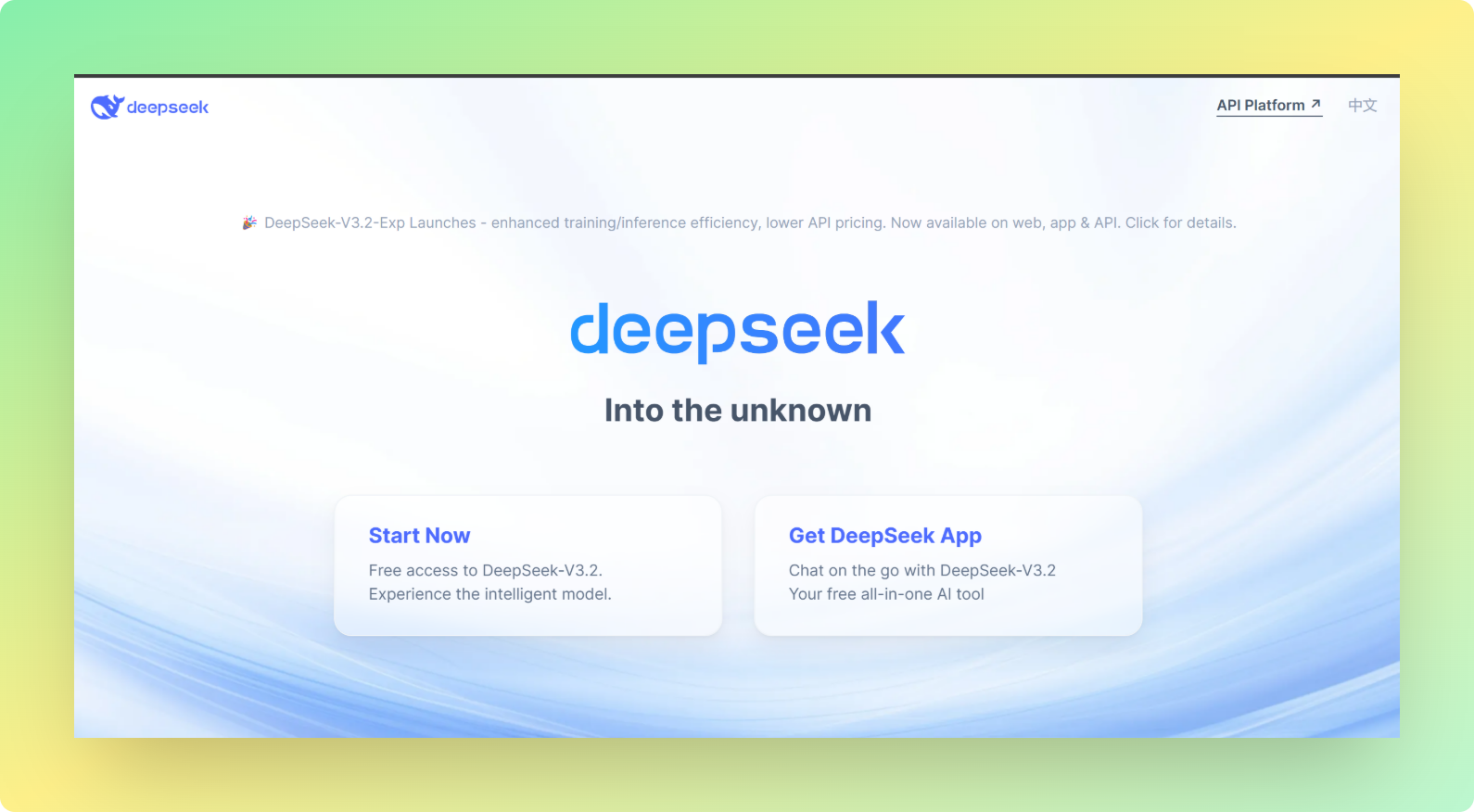
How does DeepSeek work?
At a high level, DeepSeek routes each token to different experts inside the model. This routing lets the system handle logic and math efficiently without running every parameter at once. The V3 paper notes features like Multi head Latent Attention and auxiliary loss free load balancing to keep the experts used evenly and costs low. In plain terms, you get strong reasoning for less compute.
Where does DeepSeek fit?
Use it when you need step by step problem solving, structured outputs, or a model you can host and tune more tightly. Many independent tests and roundups position DeepSeek as a smart pick for coding, logic, and cost sensitive tasks.
What is ChatGPT?
ChatGPT is OpenAI’s general purpose assistant built on the GPT family. It is widely used across writing, teaching, analysis, and support. Today’s ChatGPT is multimodal, which means it can read and generate text and also interpret or create images depending on plan and settings. This broad capability makes it a safe default for many teams.
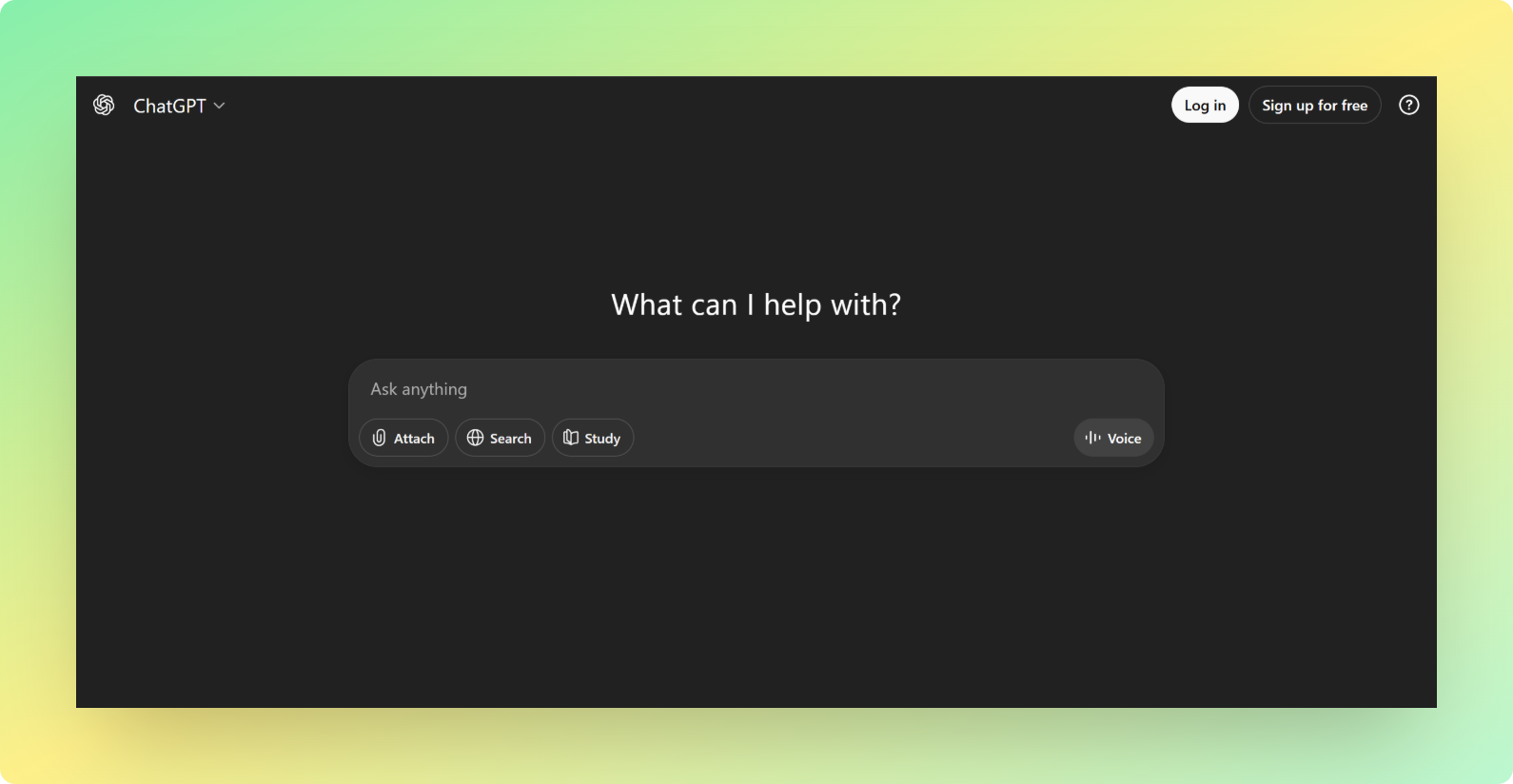
How does ChatGPT work?
Under the hood, ChatGPT runs dense transformer models that focus on broad coverage and high conversation quality. OpenAI’s recent releases emphasize improved multimodal reasoning, better image handling, and mature product UX. If you want one tool for many tasks, you usually start here.
Where does ChatGPT fit?
Use it for day to day Q&A, content, research support, and image tasks. You also get a polished interface and ecosystem that many non technical users adopt quickly. Independent comparisons call out this versatility and UX as a key strength.
Key differences at a glance
- Architecture DeepSeek uses MoE designs in major releases to boost efficiency. ChatGPT uses dense models that target broad capability and polish.
- Multimodal ChatGPT supports images in mainstream tiers. DeepSeek coverage varies by release and setup, with a stronger emphasis on text and reasoning.
- Hosting and control DeepSeek leans open and self host friendly across some variants. ChatGPT is managed, with APIs and product plans.
- UX and safety ChatGPT offers mature UX and guardrails. Public audits and reports have flagged DeepSeek safety gaps you should assess before production.
How do they perform? Side by side at a glance
| Factor | DeepSeek (opinion + refs) | ChatGPT (opinion + refs) |
|---|---|---|
| Reasoning / coding | Strong on tightly scoped logic and helpers; MoE design favors step-wise tasks. Good for small refactors and strict constraints. | Better for large, cross-file changes and explanatory guidance. Handles mixed prompts cleanly. |
| Math + structured outputs | Stays on format, produces neat JSON/tables, reliable step-by-step math. | Solid math, excels when you want “solve and teach” with clearer explanations. |
| Writing quality | Fast drafts; needs more edits for general audiences. | Polished tone and structure across many styles. Lower edit time to “publish.” |
| Multimodal (images in/out) | Text-first focus in public materials; less turnkey for images. | Mature image understanding and generation inside ChatGPT. |
| Safety / guardrails | Needs extra hardening; audits report lower accuracy and easier jailbreaks. Use gatekeeping. | Stronger defaults and product guardrails in mainstream tiers. Still needs testing. |
| Hosting / control | Open releases enable self-hosting and tight cost control with MoE efficiency. | Managed service and API with broad feature set and stable ops. Faster to adopt. |
| Cost posture | Attractive when you can host efficiently and push volume. | Predictable opex under managed tiers; pay for breadth and UX. |
| Best fit | Logic pipelines, RAG with strict schemas, cost sensitive automation. | General assistants, content + research, image workflows, broad team rollout. |
Pricing and access
Keep this high level. DeepSeek offers open source options and code releases that support self hosting. ChatGPT provides free and paid plans plus API access with managed infrastructure and multimodal features. Teams often pilot both and then standardize on one default with exceptions.
When should you choose DeepSeek?
Choose DeepSeek if you want efficient reasoning, strict formats, or the ability to host and tune models more directly. It fits coding helpers, math pipelines, and large scale internal tools where cost per request matters. Run careful safety tests before you go live.
When should you choose ChatGPT?
Choose ChatGPT if you want a polished general assistant that handles varied work, from writing to analysis to images. Non technical teams adopt it faster. You also get a clear path to multimodal workflows inside one product.
How we handle this at superU AI
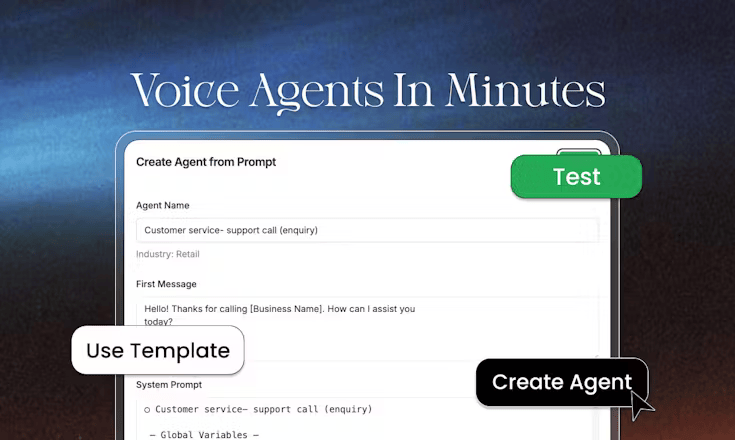
Use case: Retail support line at 200+ stores
We route general product questions, store hours, and returns to ChatGPT for smooth, human sounding answers and image tasks like reading a receipt photo. For price math, discounts, and inventory checks that must return strict JSON, we switch to DeepSeek behind validation. This split keeps conversations natural, keeps numbers exact, and lowers cost on logic heavy paths.
Conclusion
If you want tight reasoning and control, start with DeepSeek. If you need one tool that writes, explains, and handles images with minimal setup, start with ChatGPT. In real teams, the best path is hybrid. Standardize on one, carve out exceptions for the other, and add safety checks for both.
FAQs
1. Is DeepSeek open source?
DeepSeek has shared model code and repositories and has publicly leaned into open releases. Read each repo and license before you deploy.
2. Does ChatGPT support images?
Yes. OpenAI added image generation and stronger image understanding to ChatGPT in recent releases.
3. Which is safer for production?
It depends on your guardrails. Public tests suggest ChatGPT has stronger defaults today, while DeepSeek needs extra safety layers. You should still test both against your own misuse cases.
Let us map your calls, then cut handle time by 30%.
